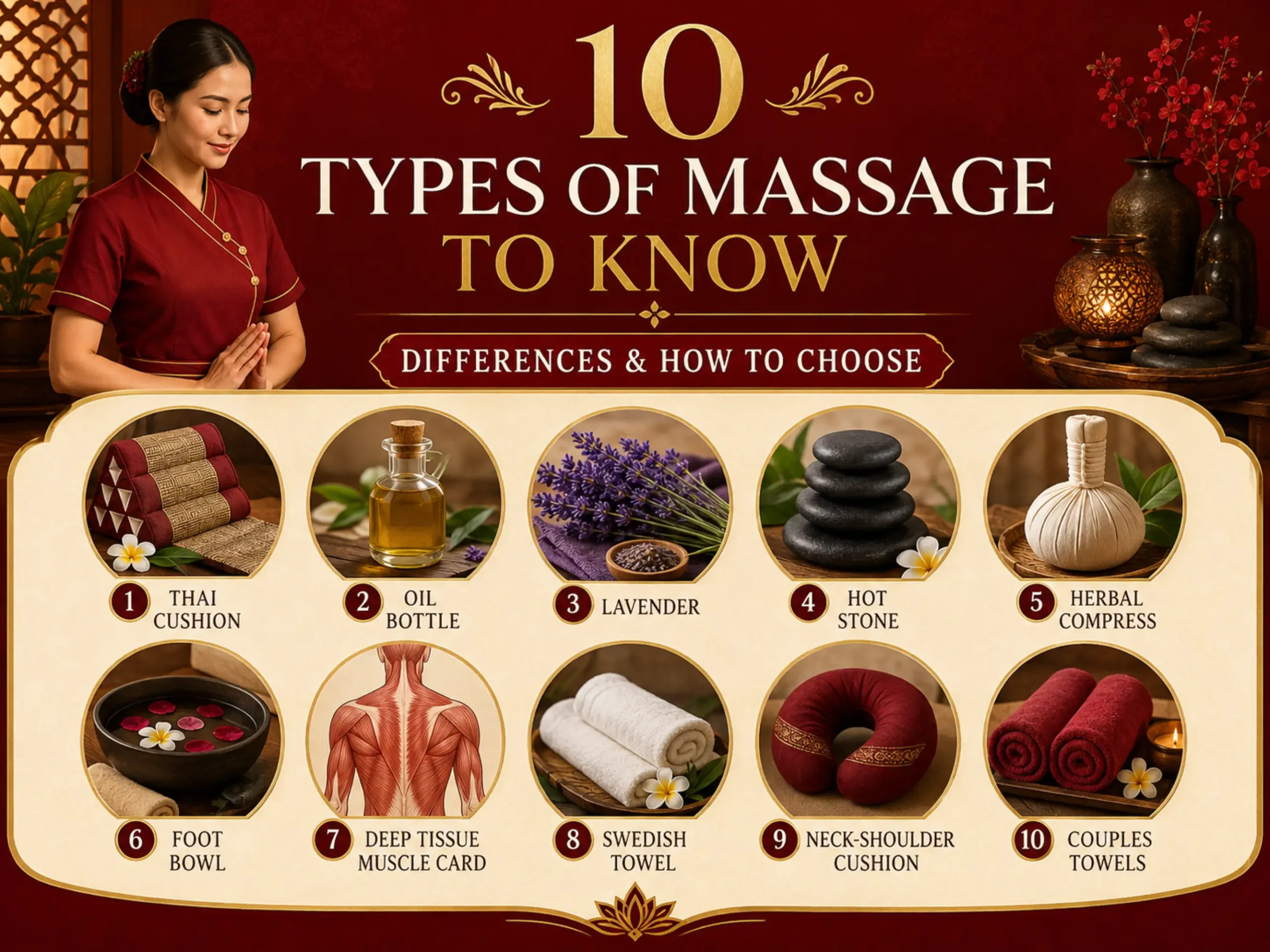
There are many types of massage, ranging from light-pressure relaxation massage and oil massage that focuses on continuous gliding and kneading, to deep tissue massage that uses more pressure to target specific areas of tension. Each style differs in technique, use of oil, clothing, and overall purpose.
Choosing a massage type should therefore not be based only on what is currently popular. It should also take into account the symptoms you feel, the pressure level you can tolerate, personal preferences, health history, and where you would like to receive the service.
This article serves as a main overview of massage types and a central comparison table to help readers see differences in technique, pressure level, oil use, key characteristics, and basic suitability in one place. More detailed information about each type is linked to dedicated articles and related service pages so that this overview does not compete in Search Intent with individual massage-type pages.
Table of Contents
What Is Massage?
Massage involves using the hands or parts of the hands to press, glide, knead, squeeze, or move the body’s soft tissues. The techniques used vary depending on the massage style and the therapist’s training. Those who want to understand the overall purpose and scope of massage services can read more at What Is Health Massage?
Some styles focus on relaxation, some emphasize stretching, while others focus more on muscles that feel tight from work, exercise, or repetitive use.
Health organizations note that massage may help reduce feelings of tension or certain types of pain and may help some people feel more relaxed. However, results vary, and massage should not replace medical diagnosis or treatment.
Comparison Table: 8 Massage Techniques and 2 Service Formats
| Massage Type | Typical Pressure | Uses Oil | Key Characteristics | Best For |
|---|---|---|---|---|
| Thai Massage | Light to fairly strong | Usually no | Pressure, kneading, movement, and assisted stretching | People who want pressure combined with stretching |
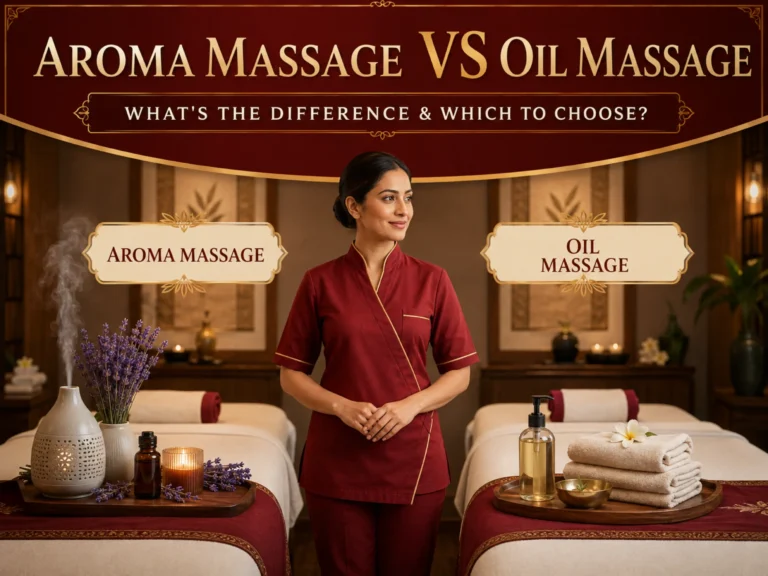
| Oil Massage | Light to medium | Yes | Continuous gliding and kneading | People who want full-body relaxation |
| Aromatherapy Massage | Light to medium | Uses essential oils | Focuses on fragrance and a relaxing atmosphere | People who enjoy fragrance and gentler pressure |
| Swedish Massage | Light to medium | Often | Gliding, kneading, and full-body movements | Beginners or people who prefer lighter pressure |
| Deep Tissue Massage | Medium to strong | May use oil | Slow, deeper pressure focused on specific areas of tension | People familiar with stronger pressure and clear areas of muscle tension |
| Acupressure Massage | Light to medium | Usually not necessary | Focused pressure on specific points | People who want targeted work without a full-body session |
| Foot Massage | Light to medium | May use oil | Focuses on the feet, ankles, and calves | People who walk or stand for long periods |
| Neck, Shoulder, and Upper Back Massage | Light to medium | May use oil | Focuses on upper-body muscles | People who sit for work or use their neck and shoulders heavily |
| VIP Massage | Depends on the selected service | Depends on the service | Focuses on privacy, scheduling, and the overall service experience | People who want a premium service with clear conditions |
| Couple Massage | Depends on each person’s selected service | Depends on the service | Two clients receive services during the same time period | Couples, friends, or family members |
Note: Items 1–8 are massage techniques or massage types, while VIP Massage and Couple Massage are service formats rather than massage techniques themselves. Clients still need to choose a technique such as Thai Massage, Oil Massage, Aromatherapy Massage, Swedish Massage, or Deep Tissue Massage within the package.
8 Massage Techniques and 2 Service Formats You Should Know
1. Thai Massage

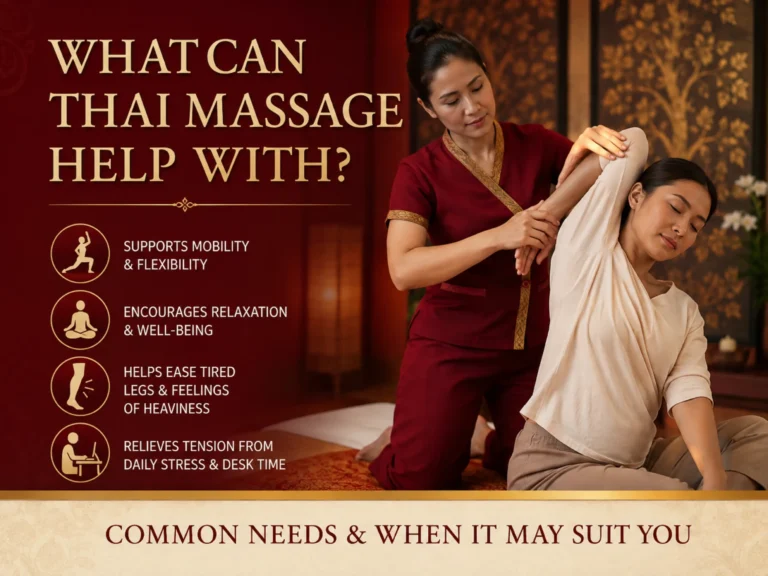
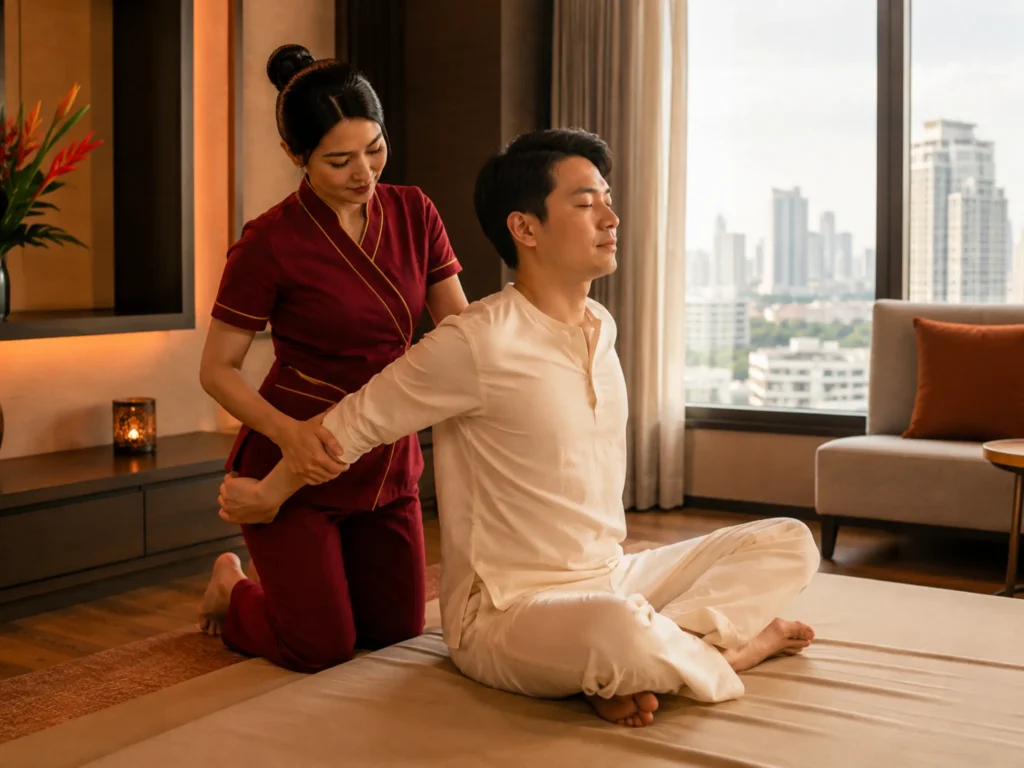
Thai Massage is usually performed without oil. The client wears comfortable clothing that allows movement, while the therapist may use fingers, palms, elbows, or forearms to apply pressure to different parts of the body together with assisted stretching.
The key feature of Thai Massage is the combination of pressure and body movement, which creates a noticeably different experience from Oil Massage or Swedish Massage. Health sources often describe Thai Massage as including assisted stretching and yoga-like positions without focusing on the use of oil.
Who Is Thai Massage Suitable For?
- People who prefer medium to stronger pressure
- People who want stretching together with pressure
- People who do not want oil applied to their skin
- People who feel tight after staying in the same position for long periods
People with joint limitations, osteoporosis, injuries, or difficulty performing certain stretches should inform the therapist before the session begins.
Service details: Thai Massage Service
2. Oil Massage
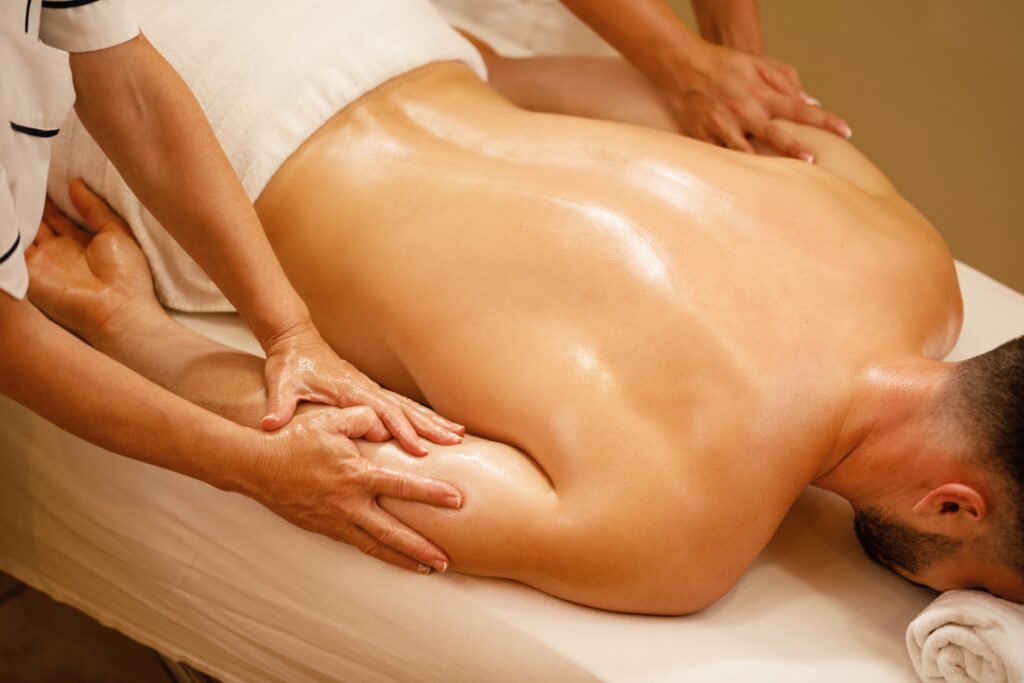
Oil Massage uses massage oil to reduce friction, allowing the therapist to glide, knead, and apply pressure along the muscles in a smooth and continuous way.
Pressure is often adjustable from light to medium, making this style suitable for people who want relaxation without extensive stretching like Thai Massage. Oils can include coconut, jojoba, almond, or grapeseed oil. People with sensitive skin should check the ingredients before use.
Who Is Oil Massage Suitable For?
- People who want full-body relaxation
- People who enjoy smooth, flowing massage
- People who do not like strong pressure or extensive stretching
- People who feel tension in the back, shoulders, or legs
Read more: What Is Oil Massage?
Service details: Oil Massage Service
3. Aromatherapy Massage
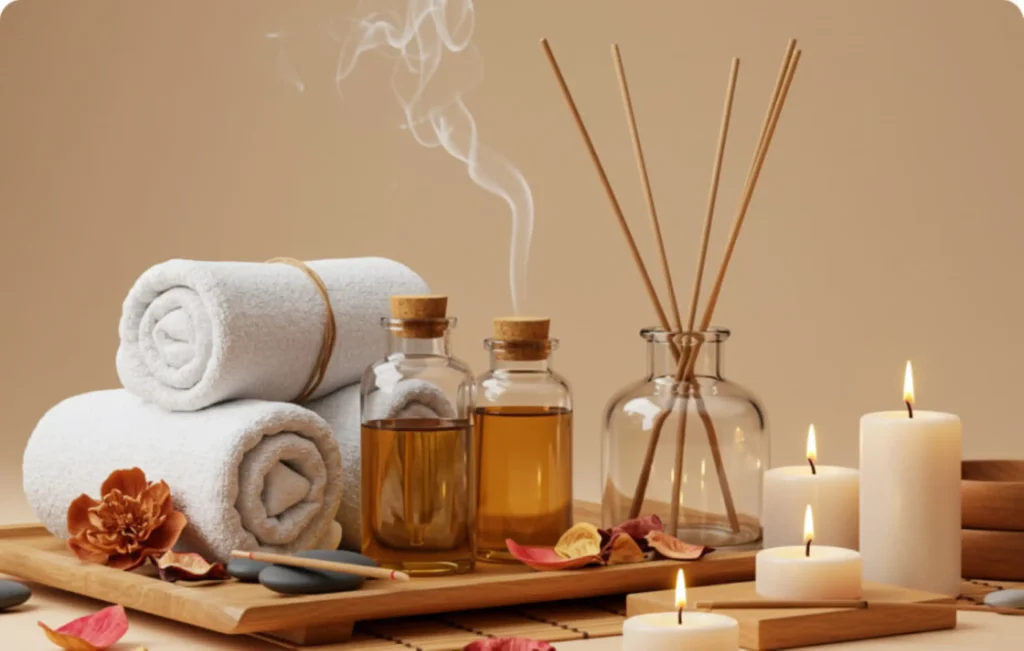
Aromatherapy Massage is similar to Oil Massage but adds a carrier oil blended with essential oils, making fragrance an important part of the experience.
The techniques usually emphasize continuous movements and light to medium pressure. It may suit people who want to relax and enjoy fragrance. However, essential oils can cause irritation or allergic reactions, so it is important to ask about ingredients and disclose any allergy history before use.
Who Is Aromatherapy Massage Suitable For?
- People who enjoy fragrance during massage
- People who want a calm and relaxing atmosphere
- People who prefer light to medium pressure
- People without known allergies to the fragrance or essential oils used
Read more: Aromatherapy Massage vs Oil Massage: What’s the Difference?
Service details: Aromatherapy Massage Service
4. Swedish Massage
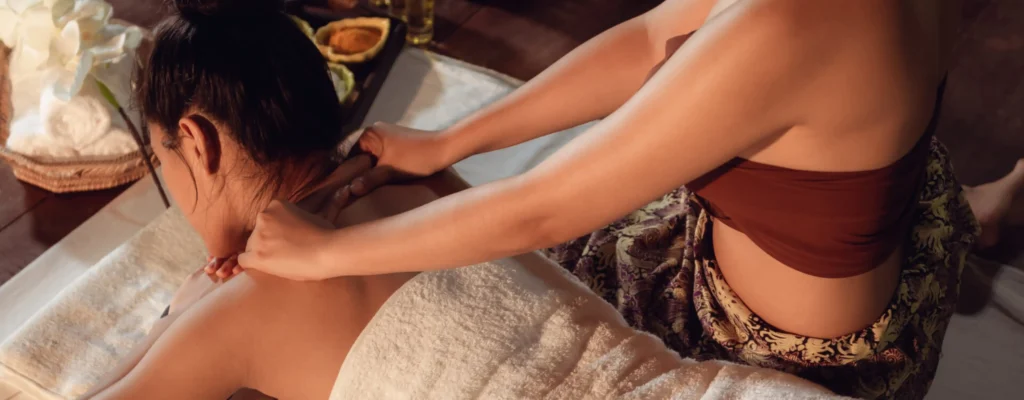
Swedish Massage is a full-body massage that commonly uses long gliding strokes, kneading, circular movements, and light tapping or vibration. It generally uses light to medium pressure and may use oil or lotion to reduce friction.
Cleveland Clinic describes Swedish Massage as a generally gentle full-body massage, making it one option for beginners or people who prioritize relaxation.
Who Is Swedish Massage Suitable For?
- People who have never had a massage before
- People who prefer light or medium pressure
- People who want a full-body massage
- People who do not want deep, targeted pressure
Service details: Swedish Massage Service
5. Deep Tissue Massage
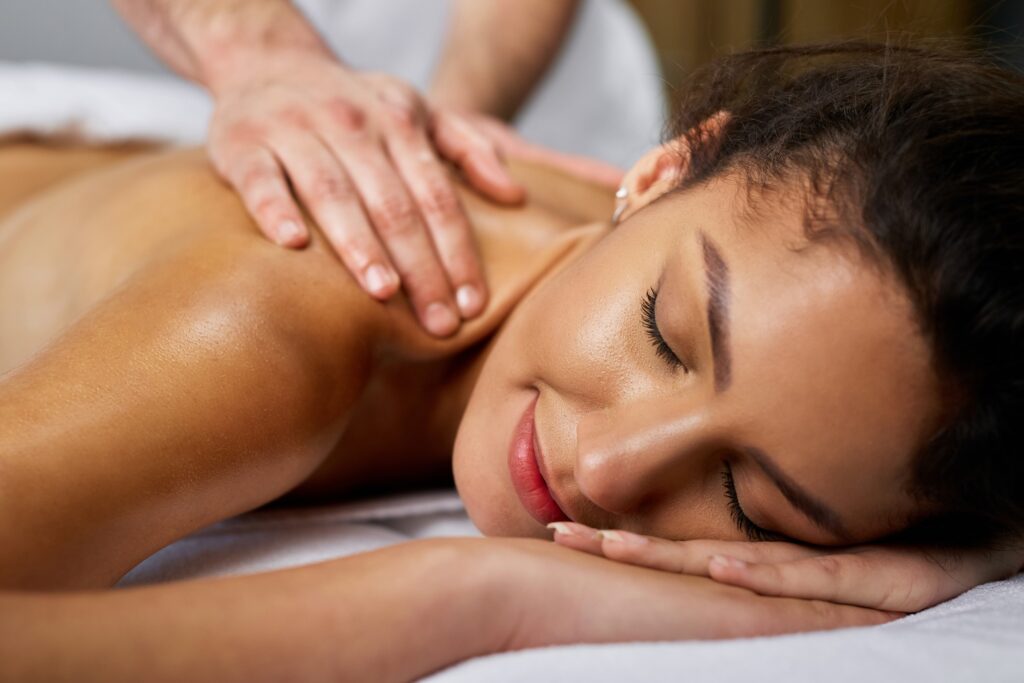
Deep Tissue Massage uses slower movements and stronger pressure to focus on deeper muscle layers and areas of tension.
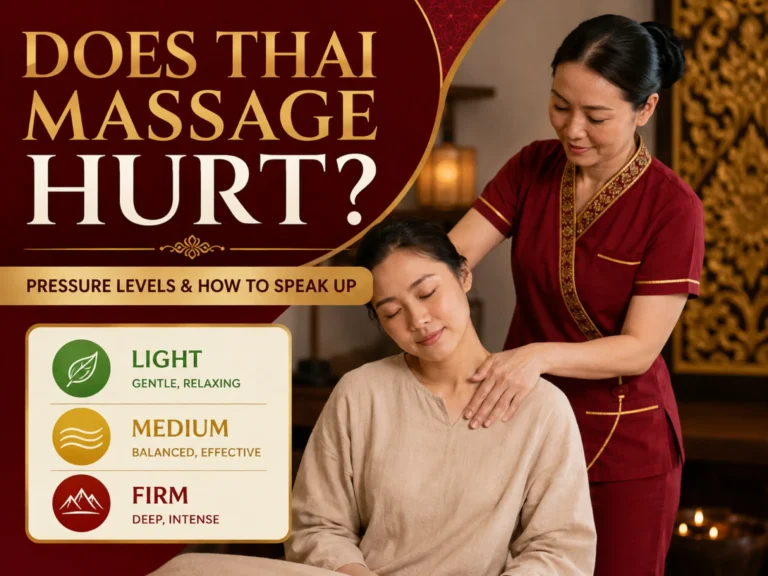
Stronger pressure does not mean the massage should be painful. Clients should communicate the pressure level they can tolerate and immediately report sharp pain, numbness, or unusual discomfort. This massage type may cause more temporary soreness than a relaxation-focused massage.
Who Is Deep Tissue Massage Suitable For?
- People with clearly defined areas of muscle tension
- People who can tolerate medium to strong pressure
- People who repeatedly use the same muscles through work or activities
- People who want targeted work more than a general full-body massage
People with bleeding disorders, those taking medications that affect blood clotting, or those with an acute injury should seek medical advice first.
Service details: Deep Tissue Massage Service
6. Acupressure Massage
Acupressure Massage focuses on using the fingertips, thumbs, or palms to apply pressure to specific points in an appropriate sequence. Oil is generally not necessary, and the pressure can be adjusted according to the client’s comfort.
This differs from Deep Tissue Massage, which usually targets deeper muscle layers with slower and stronger pressure. Acupressure may suit people who want to focus on specific areas without extensive stretching or a full-body massage.
Who Is Acupressure Massage Suitable For?
- People who want to focus on specific areas
- People who do not want oil
- People who prefer gradually applied pressure
- People who can communicate their preferred pressure throughout the session
Pressure should not be applied over open wounds, swelling, redness, heat, injured bones or joints, or areas that cause numbness, radiating pain, or sharp pain.
Read more: What Is Acupressure Massage?
7. Foot Massage
Foot Massage focuses on the soles, tops of the feet, ankles, and sometimes the calves, using gliding, kneading, squeezing, and pressure adjusted to a comfortable level.
Who Is Foot Massage Suitable For?
- People who walk or stand all day
- People who feel tiredness in the feet and calves
- People who want a targeted massage
- People with limited time
Massage should be avoided over areas with wounds, swelling, redness, heat, infection, or suspected bone or joint injury.
Service details: Foot Massage Service
8. Neck, Shoulder, and Upper Back Massage
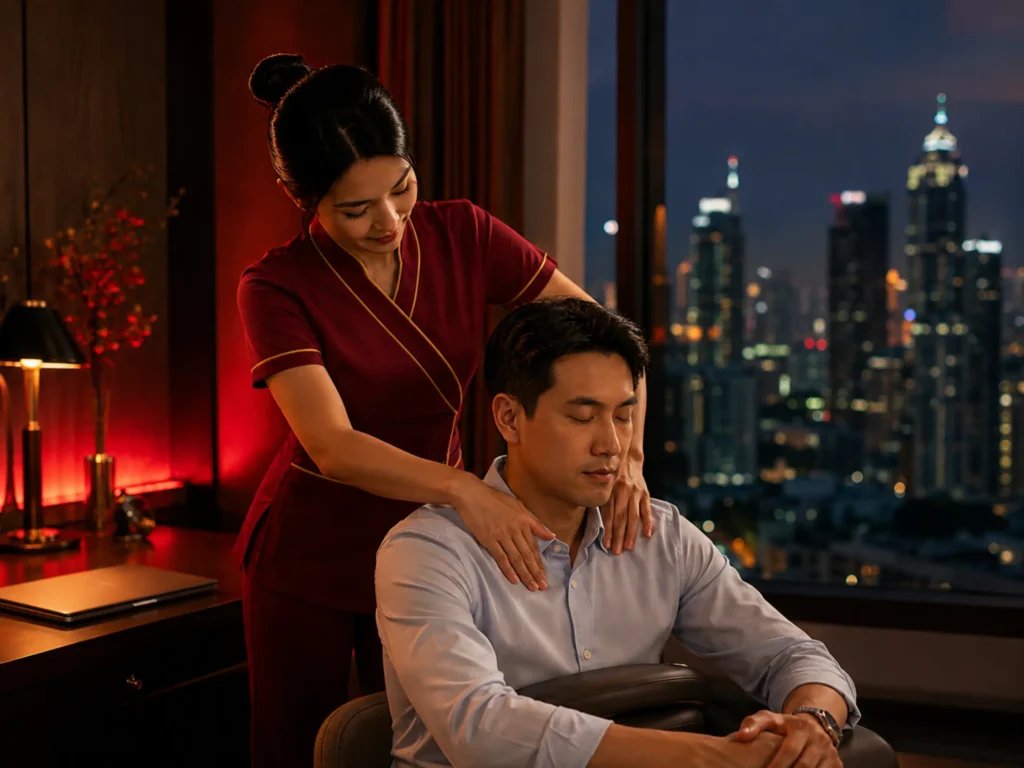
Neck, Shoulder, and Upper Back Massage focuses on the muscles around the neck, shoulders, shoulder blades, and upper back. It may suit people who spend long periods at a computer, use a phone frequently, drive, or work in the same posture for extended periods.
Who Is Neck, Shoulder, and Upper Back Massage Suitable For?
- People who sit for long periods at work
- People who feel tension around the shoulders and shoulder blades
- People who want a targeted massage
- People who do not want a full-body session
If you have pain radiating down the arm, numbness, weakness, severe dizziness, or a recent injury, you should be assessed before receiving massage. See details at Neck and Shoulder Massage Service.
9. VIP Massage
VIP Massage is a service format that emphasizes privacy, scheduling, communication, and the overall service experience. Clients still need to choose a massage technique such as Oil Massage, Aromatherapy Massage, Swedish Massage, or Thai Massage.
Who Is VIP Massage Suitable For?
- People who prioritize privacy
- People who want clear scheduling and service boundaries
- People who want a premium service at a hotel or accommodation
- People who want to choose the massage type and pressure level in advance
Read more: What Is VIP Massage? and view VIP Massage Service in Bangkok
10. Couple Massage
Couple Massage means that two clients receive massage services during the same time period. Each person may be able to choose a different massage type, duration, and pressure level depending on the provider’s conditions.
What Should You Provide Before Booking a Couple Massage?
- Each person’s massage type
- Each person’s duration and pressure preference
- Whether both sessions should begin at the same time
- Enough space for two therapists
- Health information and product allergy history
Service details: Couple Massage Service
Which Type of Massage Should You Choose?
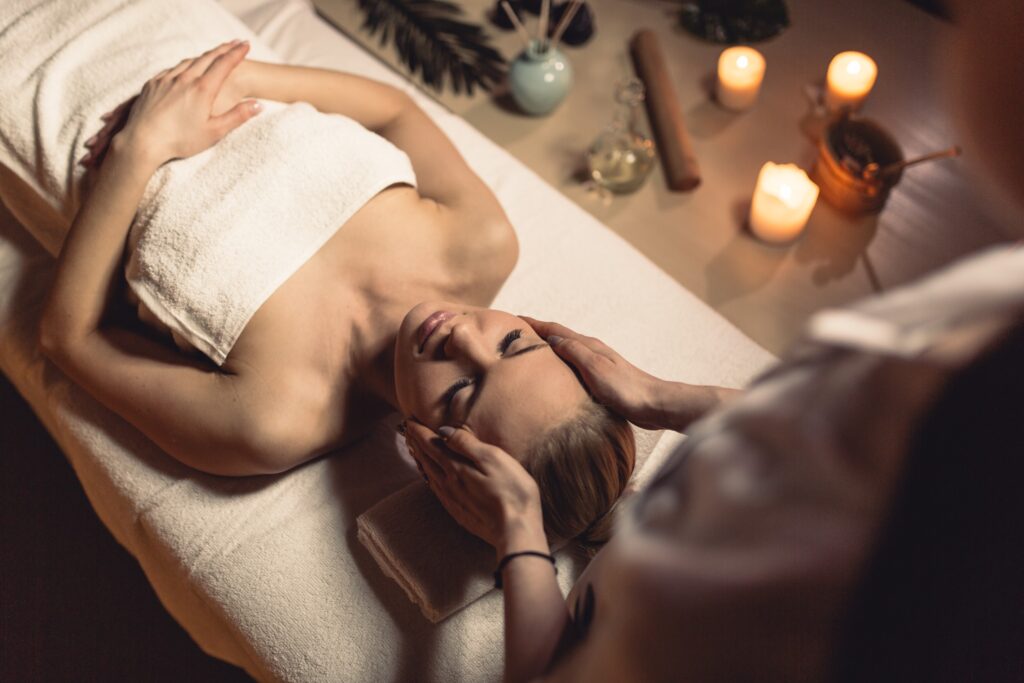
You can start choosing a massage type by asking yourself a few simple questions.
You Want to Relax and Prefer Lighter Pressure
Choose Oil Massage, Aromatherapy Massage, or Swedish Massage and ask the therapist to use light to medium pressure.
You Want Pressure and Stretching
Choose Thai Massage, but disclose any joint or bone limitations and any areas you do not want stretched.
You Have Specific Areas of Tension
Choose Deep Tissue Massage, Acupressure Massage, Neck and Shoulder Massage, or Foot Massage depending on the area you want to focus on.
You Enjoy Fragrance During Massage
Choose Aromatherapy Massage, but ask which essential oils are used and disclose any allergy history.
You Want a Massage at the Same Time as Another Person
Choose Couple Massage and clearly specify the massage type each person wants.
You Do Not Want to Leave Your Accommodation
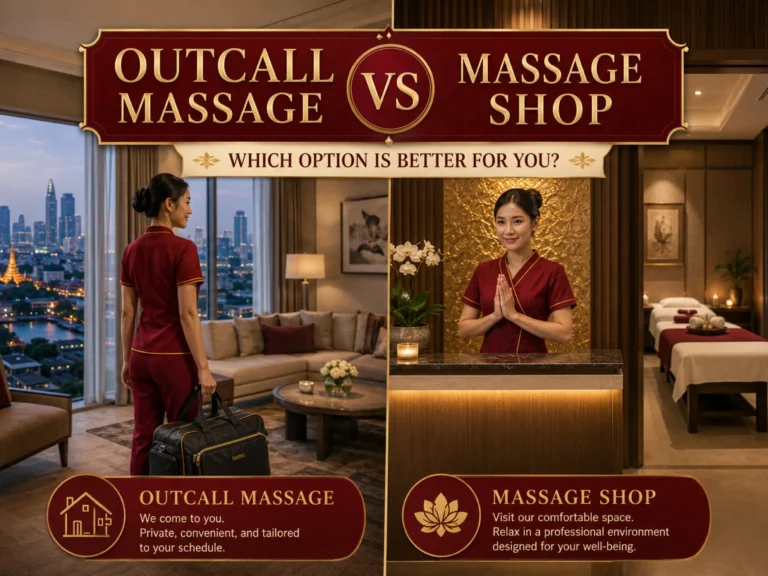
Choose VIP Massage or an outcall massage service, then select the massage technique you want.
Massage Type Selection Table by Need
| Need | Options to Consider | What to Tell the Therapist |
|---|---|---|
| Relaxation with light pressure | Swedish, Aromatherapy, or Oil Massage | Preferred pressure and oil allergies |
| Want stretching | Thai Massage | Movement limitations |
| Specific muscle tension | Deep Tissue or Neck and Shoulder Massage | Pain areas and preferred pressure |
| Tired from walking or standing | Foot Massage | Swelling, wounds, or injuries |
| Want fragrance | Aromatherapy Massage | Preferred scent and allergy history |
| Two-person service | Couple Massage | Each person’s selected service |
| Want privacy | Outcall Massage | Location, number of clients, and time |
What Pressure Level Is Right for You?
There is no single pressure level that is right for everyone because sensitivity to pressure varies. What a therapist considers “medium pressure” may still feel too strong or too light for some clients.
A practical approach is to begin with lighter pressure and gradually increase it based on comfort. The client should be able to breathe normally and should not need to keep the body tense throughout the session.
Ask the therapist to stop or reduce pressure immediately if you experience:
- Sharp or severe pain
- Numbness or an electric-shock sensation
- Dizziness or nausea
- Difficulty breathing
- Rash, itching, or burning from a product
- Pain radiating into the arms or legs
Precautions Before Choosing a Massage Type
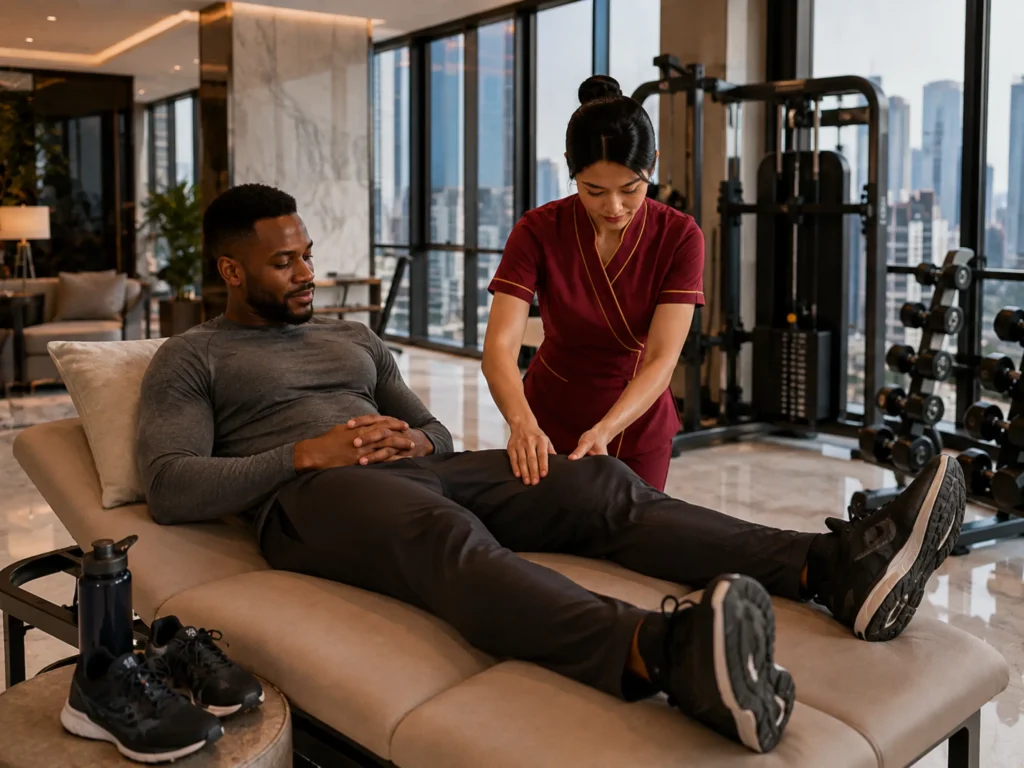
Although massage is generally considered low risk, it can cause temporary soreness, bruising, or increased pain. Risks may be higher when the service is provided by someone without appropriate knowledge or when excessive pressure is used.
Consider postponing massage or consulting a doctor first if you have any of the following:
- Fever or infection
- Open wounds, inflamed skin, or an active skin condition
- Swelling, redness, heat, or unusual pain
- An acute injury or suspected fracture
- A bleeding disorder or medication that affects blood clotting
- A history of blood clots
- Recent surgery with an incompletely healed wound
- Severe osteoporosis
- Pregnancy or pregnancy complications
- A medical condition for which a doctor has advised avoiding pressure
Massage should not replace medical evaluation. If you have persistent or severe pain, numbness, weakness, difficulty breathing, chest pain, or sudden unusual symptoms, seek medical care. Read more at Massage Contraindications and Precautions.
How to Prepare Before a Massage
- Disclose medical conditions, medications, pregnancy, and surgical history
- Tell the therapist where you feel pain and which areas you do not want massaged
- Choose a pressure level you can tolerate comfortably
- Check oil ingredients if you have sensitive skin
- Avoid a large meal shortly before massage
- Avoid massage when you have a fever or feel unwell
- Prepare a clean and private area when booking an outcall service
- Tell the therapist immediately if you feel uncomfortable during the massage
Frequently Asked Questions About Massage Types
How many types of massage are there?
Which massage is best for beginners?
Which massage is suitable for office workers?
What is the difference between Thai Massage and Swedish Massage?
Are Oil Massage and Aromatherapy Massage the same?
Does stronger pressure always work better?
Can I combine several massage types in one booking?
Summary
Each massage type differs in technique, pressure level, use of oil, and purpose. People who want relaxation may choose Oil Massage, Aromatherapy Massage, or Swedish Massage. Those who prefer stretching and pressure may choose Thai Massage, while people with clearly defined areas of tension may consider Deep Tissue Massage, Neck and Shoulder Massage, or Foot Massage.
VIP Massage and Couple Massage are not specific massage techniques. They are service formats in which clients still need to choose a technique such as Thai Massage, Oil Massage, Aromatherapy Massage, Swedish Massage, or Deep Tissue Massage.
The most important thing is to choose a service that suits your health, disclose relevant medical history, select a comfortable pressure level, and avoid using massage as a substitute for medical care when unusual symptoms are present. If you are still unsure, read more in How to Choose a Massage Service in Bangkok.
Victoria Bangkok offers several types of massage services. Clients can view all massage services or choose an outcall massage service in Bangkok and provide the massage type, duration, pressure level, number of clients, and location before confirming the booking.
View all services: Victoria Bangkok Massage Services or read dedicated articles on Thai Massage, Oil Massage, Aromatherapy Massage, Swedish Massage, Deep Tissue Massage, Acupressure Massage, VIP Massage, and Couple Massage.
References
- National Center for Complementary and Integrative Health. Massage Therapy: What You Need To Know. NCCIH. https://www.nccih.nih.gov/health/massage-therapy-what-you-need-to-know
- Healthdirect Australia. Massage Therapy. https://www.healthdirect.gov.au/massage-therapy
- Healthdirect Australia. Swedish Massage. https://www.healthdirect.gov.au/swedish-massage
- Cleveland Clinic. Types of Massage Therapy to Try. https://health.clevelandclinic.org/types-of-massage-therapy-to-try
- Cleveland Clinic. Thai Massage: What It Is and Benefits. https://health.clevelandclinic.org/thai-massage
- Cleveland Clinic. Benefits of Massage Therapy. https://health.clevelandclinic.org/benefits-of-massage
- Healthline. Types of Massage and Their Benefits. https://www.healthline.com/health/types-of-massage
- Vinmec International Hospital. 12 Types of Massage: Which Is Right for You? https://www.vinmec.com/eng/blog/12-types-of-massage-which-is-right-for-you-en
Contact Victoria Bangkok
We provide professional outcall massage services in Bangkok, delivered by a team of experienced massage therapists. Enjoy a relaxing experience that is private, convenient, and safe.
- Phone: 093-093-4663
- WhatsApp: Victoria Bangkok
- LINE Official Account: Victoria Bangkok
- Website: www.victoriabangkok.com
- Maps: The Victoria Outcall Bangkok
📌 We recommend booking in advance so we can arrange the most suitable massage therapist for your needs.
- Date
- View
- Comment