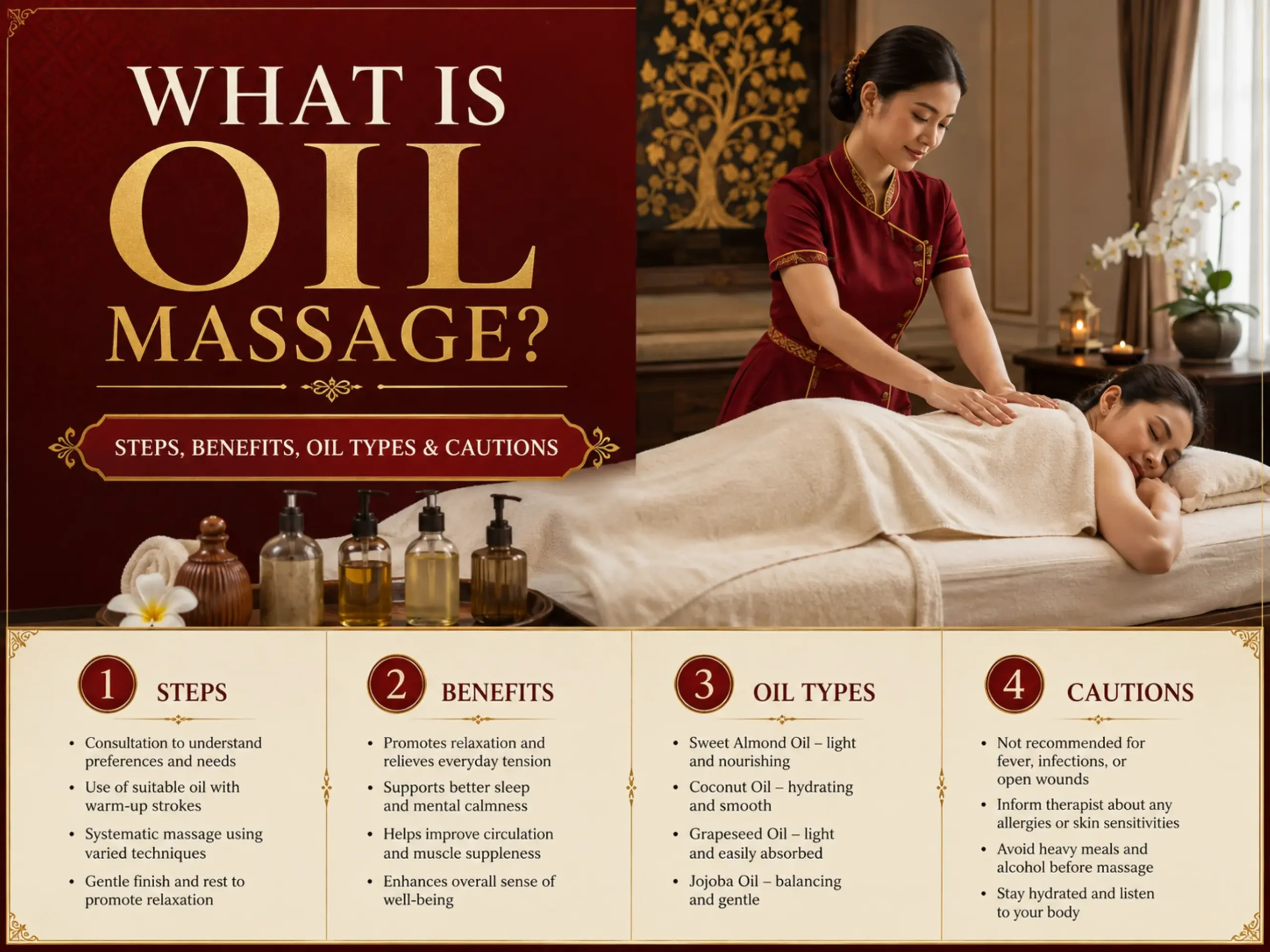
Oil massage is a massage technique that uses oil to reduce friction between the therapist’s hands and the skin, allowing smooth and continuous stroking, kneading, squeezing, and pressure along the muscles. It is suitable for people who want to relax after fatigue, feel tight from sitting at work or traveling, and do not want as much pressure or assisted stretching as Thai massage.
This article explains the meaning, steps, duration, benefits, differences from aromatherapy massage, preparation, and precautions for oil massage. Those who want to compare the texture, scent, and important considerations of different massage oils can also read Types of Massage Oils and How to Choose the Right One for Your Skin.
Table of Contents
What Is Oil Massage?
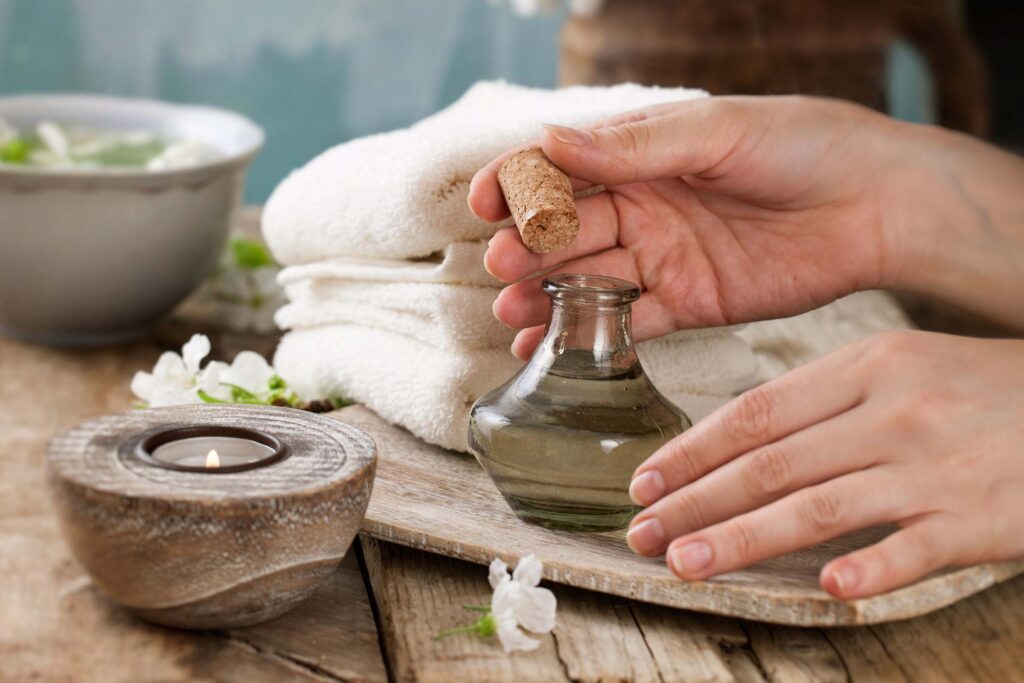
Oil massage is a soft-tissue and muscle massage that uses oil as a medium. Therapists typically use long strokes, kneading, squeezing, and appropriate pressure so their hands can move smoothly along the muscles, reduce pulling on the skin, and create a continuous massage rhythm.
Pressure can be adjusted from light to medium according to preference. Oil massage therefore often feels gentler than Thai massage and does not necessarily involve as much assisted stretching or frequent position changes as massage performed through clothing.
Oil massage is a complementary wellness practice, not a diagnosis or treatment for disease. If you have severe pain, an acute injury, numbness, weakness, or unexplained symptoms, you should be evaluated by a healthcare professional first.
Typical Oil Massage Steps
| Step | Details |
|---|---|
| 1. Consultation | Tell the therapist which areas feel tight, your preferred pressure level, any oil allergies, and any areas you do not want massaged. |
| 2. Choose the oil | Check the type, scent, and ingredients, especially if you have sensitive skin or a history of allergies to nuts, coconut, fragrances, or skincare products. |
| 3. Positioning and draping | Only the area being massaged should be uncovered, while the rest of the body is appropriately covered for privacy. |
| 4. Warm up the muscles | The therapist starts with slow strokes to spread the oil and assess muscle tightness. |
| 5. Kneading and pressure | Pressure is gradually increased as appropriate, focusing on the back, neck, shoulders, arms, or legs as agreed. |
| 6. Reduce pressure toward the end | Lighter strokes are used before finishing, and the client should get up slowly. |
During the service, tell the therapist immediately if you feel sharp pain, numbness, burning, dizziness, or discomfort. You do not need to tolerate strong pressure for the massage to be more “effective.”
How Long Does an Oil Massage Take?
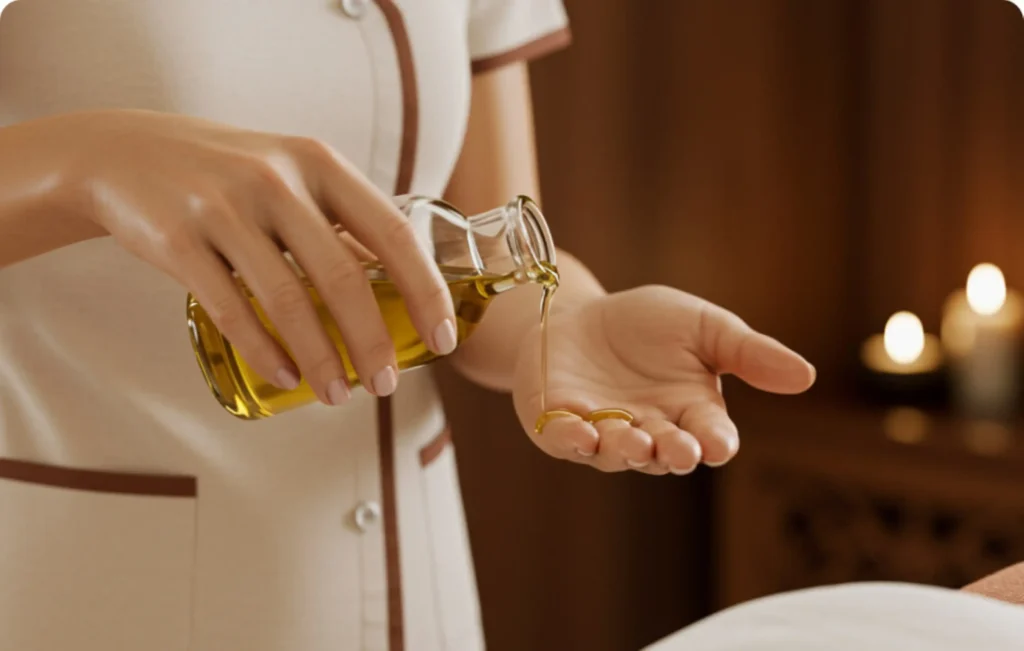
Common durations are 60, 90, and 120 minutes. Choose based on how many areas you want to focus on, your massage experience, and the time you actually have. The longest session is not always necessary.
| Duration | Suitable for |
|---|---|
| 60 minutes | Beginners, people with limited time, or those focusing on only a few main areas. |
| 90 minutes | A full-body massage with extra time for the back, neck, shoulders, or legs. |
| 120 minutes | People familiar with massage who want a slower, less rushed session. |
If you have never had an oil massage before, you may want to start with 60 minutes at light to medium pressure. Costs and travel conditions can be checked on the Outcall Massage Prices in Bangkok page.
What Types of Oils Are Used for Massage?
Massage oils differ in glide, absorption, scent, and ingredients. Clients should check the label or ask about the actual formula rather than choosing based only on marketing names.
| Oil Type | General Characteristics | What to Check |
|---|---|---|
| Coconut oil | Provides good glide and works well for continuous massage. | History of coconut allergy and how the oil feels on the skin. |
| Almond oil | Spreads easily and is commonly used as a base oil. | History of nut allergy. |
| Jojoba or grapeseed oil | Often feels lighter than some other oils. | Other ingredients, fragrance, and skin sensitivity. |
| Mineral oil or baby oil | Provides high slip and reduces friction well. | Fragrance, additives, and any residue left on the skin. |
| Oil blended with essential oils | Adds fragrance and an aromatherapy-style atmosphere. | Dilution, fragrance allergies, and scents you dislike. |
This section provides only an overview to help you choose a service. For a detailed comparison of massage oils, continue reading Types of Massage Oils, Textures, and How to Choose the Right One for Your Skin.
Benefits of Oil Massage
Results vary depending on health, technique, pressure level, and individual response. Benefits that clients commonly expect include:
- Promotes relaxation: Continuous stroking and kneading may help temporarily reduce feelings of tension.
- May reduce muscle tightness: Suitable for people who sit for long periods, walk a lot, or repeatedly use the same muscles.
- May make movement feel easier temporarily: When muscles feel more relaxed, some people may find it easier to move.
- Reduces friction on the skin: Oil helps the therapist’s hands move smoothly and reduces pulling on the skin.
- Creates time to rest: A massage in a calm environment can provide a break from daily activities.
Oil massage should not be claimed to cure diseases, detoxify the body, or replace sleep, physical therapy, or medical treatment.
How Is Oil Massage Different from Aromatherapy Massage?
| Topic | Oil Massage | Aromatherapy Massage |
|---|---|---|
| Main purpose | Uses oil to help strokes and kneading glide smoothly over the muscles. | Combines massage with fragrance from essential oils. |
| Oil used | Base oil, which may be scented or unscented. | Carrier oil blended with essential oils. |
| Role of scent | Does not need to be prominent. | An important part of the experience. |
| Precautions | Check for allergies to the base oil and additives. | Also check fragrance, essential oils, and dilution. |
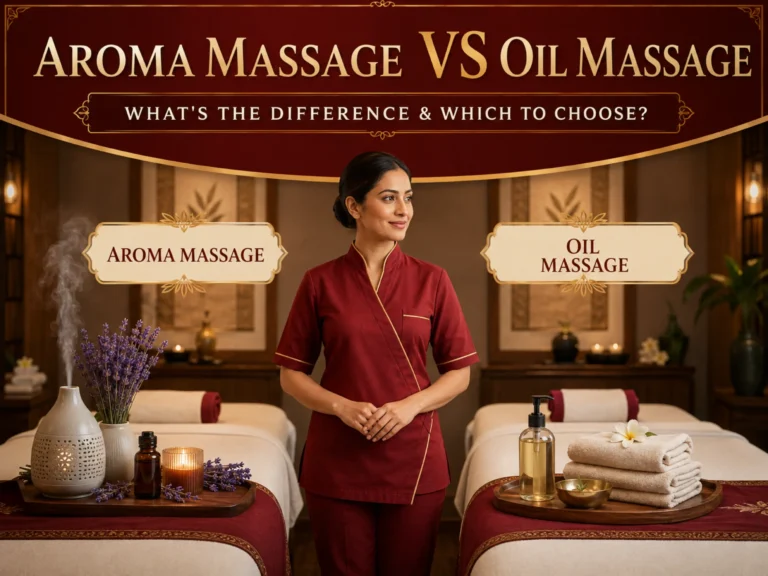
Read the detailed comparison at Aromatherapy Massage vs Oil Massage: What’s the Difference?
How Is Oil Massage Different from Thai Massage?
| Topic | Oil Massage | Thai Massage |
|---|---|---|
| Massage medium | Uses oil to reduce friction. | Usually does not use oil. |
| Clothing | Only the area being massaged is uncovered and draping is used. | Performed through clothing or massage garments. |
| Main techniques | Stroking, kneading, squeezing, and pressure along the muscles. | Pressure, squeezing, movement, and assisted stretching. |
| Overall feel | Smooth, continuous, and relaxing. | Generally involves more pressure and position changes. |
| Space | Often uses a massage table or an area protected from oil stains. | Often uses a mat or floor mattress on a stable surface. |
If you are still deciding, read Thai Massage vs Oil Massage: Which Is Right for You?.
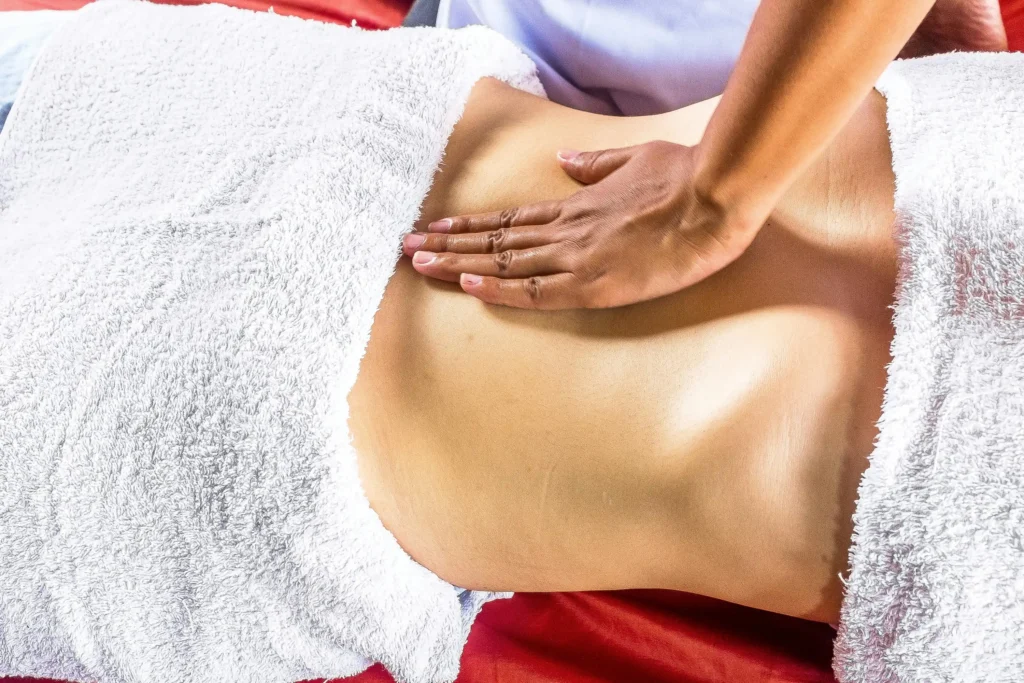
Who Is Oil Massage Suitable For?
- People who want to relax after work or travel.
- People who feel tightness in the back, neck, shoulders, arms, or legs.
- People who prefer a smooth and continuous massage rhythm.
- People who do not want as much assisted stretching as Thai massage.
- People who want to choose light to medium pressure.
- People who are comfortable with oil and draping during the massage.
If you want deeper pressure on specific areas or have significant muscle tightness, tell the provider before booking because a relaxing oil massage may use different techniques and pressure levels from Deep Tissue Massage.
What Should You Know About Clothing and Privacy?
Clothing arrangements depend on the scope of the massage. In general, only the area being massaged should be uncovered, with the rest of the body covered throughout the service. Clients can ask the therapist to skip any area they are uncomfortable with.
- Prepare clothing that is easy to remove and put back on.
- Remove jewelry, watches, and items that may press against the skin.
- Ask whether the provider brings drapes and protective linens.
- Clearly state the massage boundaries and any areas you do not want touched.
- Clients have the right to request additional draping, change positions, or skip certain areas.
How to Prepare Before an Oil Massage
- Avoid a large meal for about 1–2 hours before the massage.
- Shower and clean your body as usual.
- Tell the therapist about symptoms, allergies, and areas you do not want massaged.
- Specify your preferred pressure level.
- Ask about the type, scent, and ingredients of the oil before use.
- Remove jewelry and keep valuables secure.
- Prepare a change of clothes if you do not want oil on your original outfit.
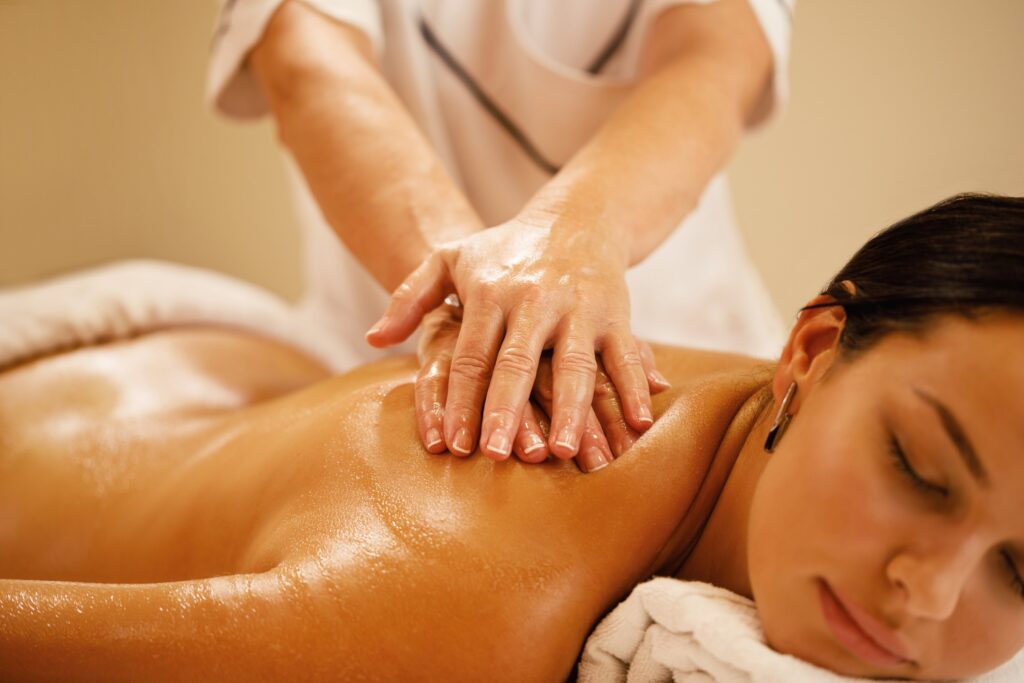
What Should You Prepare for an Outcall Oil Massage?
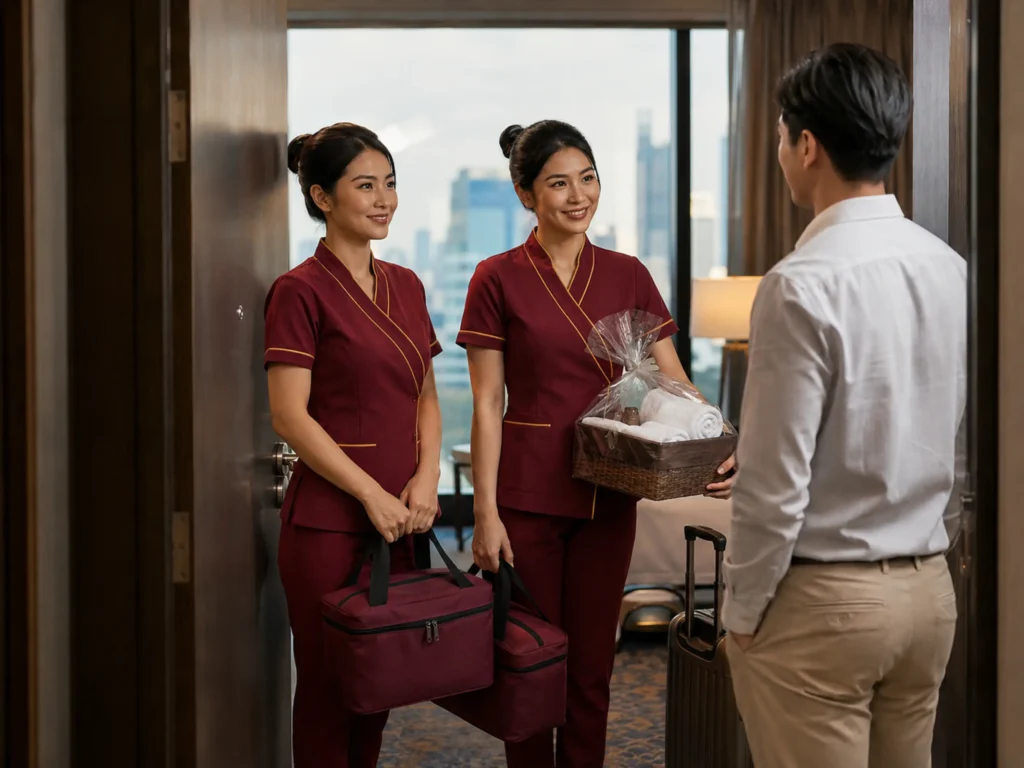
When receiving a massage at home, a hotel, or a condo, prepare a clean and private space and protect furniture or bedding from oil stains.
| What to Check | Recommendation |
|---|---|
| Bed or massage mat | Ask whether the therapist brings one or uses the bed in the room. |
| Protective sheet | Use a protective layer to prevent oil from staining the bed, floor, or sofa. |
| Drapes and clean towels | Check that the provider brings enough clean linens and keeps used linens separate. |
| Room temperature | The room should not be too cold because some skin may be uncovered during the massage. |
| Bathroom | Prepare a towel and toiletries if you want to shower after the massage. |
| Building access | Check visitor policies, ID exchange procedures, parking, and permitted access times. |
See room preparation details at How to Prepare Before Your Massage Therapist Arrives and check the appointment process at How to Book an Outcall Massage.
Precautions Before an Oil Massage
You should postpone the massage or seek an assessment first if you have a fever, infection, wounds, inflamed skin, swelling with redness and heat, an acute injury, or unexplained symptoms.
- Tell the therapist about allergies to oils, nuts, coconut, fragrances, or essential oils.
- Avoid applying oil over wounds, rashes, sunburn, or inflamed areas.
- People taking medication that affects blood clotting, who bruise or bleed easily, have fragile bones, or recently had surgery should consult their healthcare provider first.
- Pregnant clients should share their gestational age and any complications before choosing a program.
- Stop the service immediately if you develop a rash, itching, burning, difficulty breathing, dizziness, sharp pain, or numbness.
Read more at Massage Contraindications and Precautions.
How Should You Take Care of Yourself After an Oil Massage?
- Get up slowly and watch for dizziness.
- Drink water according to your thirst.
- Rest briefly before strenuous activity if you feel sleepy or sore.
- Shower to remove the oil whenever you feel comfortable, especially if you have oily or sensitive skin.
- If you develop a rash, itching, burning, or swelling, wash the product off and stop using it.
Read more: When Should You Shower After an Oil Massage?
Frequently Asked Questions About Oil Massage
Do You Need to Remove Your Clothes for an Oil Massage?
Is Oil Massage Painful?
Which Is Better: Oil Massage or Thai Massage?
Can People with Sensitive Skin Get an Oil Massage?
What Type of Oil Is Used for Oil Massage?
Can Oil Massage Treat Pain?
Do You Need to Shower Immediately After an Oil Massage?
What Should You Prepare for an Outcall Oil Massage?
Summary
Oil massage uses oil to help stroking, kneading, squeezing, and pressure along the muscles move smoothly. It is suitable for people who want relaxation without much assisted stretching. The key points are choosing an oil formula suitable for your skin, disclosing allergies, setting massage boundaries, and adjusting pressure for comfort.
If you are interested in fragrance from essential oils, you may consider aromatherapy massage, but you should also check for fragrance sensitivity and allergies. If you want stronger pressure or more assisted stretching, you may want to compare oil massage with Thai massage before choosing.
Victoria Bangkok provides outcall oil massage services for homes, hotels, and condos according to designated areas and conditions. Before confirming an appointment, clients should ask about the oil type, duration, equipment, travel fees, and building access rules.
View details: Outcall Oil Massage Service
References
- National Center for Complementary and Integrative Health. Massage Therapy: What You Need To Know. NCCIH. https://www.nccih.nih.gov/health/massage-therapy-what-you-need-to-know
- National Center for Complementary and Integrative Health. Massage Therapy for Health: What the Science Says. NCCIH. https://www.nccih.nih.gov/health/providers/digest/massage-therapy-for-health-science
- National Center for Complementary and Integrative Health. Aromatherapy. NCCIH. https://www.nccih.nih.gov/health/aromatherapy
- American Academy of Dermatology Association. How to Test Skin Care Products. https://www.aad.org/public/everyday-care/skin-care-secrets/prevent-skin-problems/test-skin-care-products
- NHS. Contact Dermatitis. https://www.nhs.uk/conditions/contact-dermatitis/
Contact Victoria Bangkok
We provide professional outcall massage services in Bangkok, delivered by a team of experienced massage therapists. Enjoy a relaxing experience that is private, convenient, and safe.
- Phone: 093-093-4663
- WhatsApp: Victoria Bangkok
- LINE Official Account: Victoria Bangkok
- Website: www.victoriabangkok.com
- Maps: The Victoria Outcall Bangkok
📌 We recommend booking in advance so we can arrange the most suitable massage therapist for your needs.
- Date
- View
- Comment